

Introduction
In today's world, the management of waste has become a critical issue due to the increasing population and urbanization. Garbage compactor trucks play a vital role in the collection and disposal of waste in cities and towns around the globe. However, the environmental impact of these vehicles cannot be ignored, especially considering the emissions they produce during their operation. In recent years, there has been a growing focus on developing garbage compactor trucks with low emissions to address this concern. This article aims to explore the significance of these innovative vehicles in revolutionizing waste management practices and their impact on the environment.
Understanding Garbage Compactor Trucks
Garbage compactor trucks are specialized vehicles designed for the collection and transport of solid waste from residential, commercial, and industrial areas to disposal sites such as landfills or recycling facilities. These trucks are equipped with a compactor mechanism that compresses the waste to maximize the volume of garbage that can be transported in each trip. This efficiency not only reduces the number of trips required for waste collection but also minimizes the space needed for storage at disposal sites.
Types of Garbage Compactor Trucks
There are various types of garbage compactor trucks available, each designed to meet specific waste management needs. The most common types include rear-loading compactor trucks, side-loading compactor trucks, and front-loading compactor trucks. Rear-loading compactor trucks are commonly used for residential waste collection, while side-loading compactor trucks are more suitable for narrow streets and areas with limited access. Front-loading compactor trucks are often used for commercial and industrial waste collection, offering high efficiency and capacity.
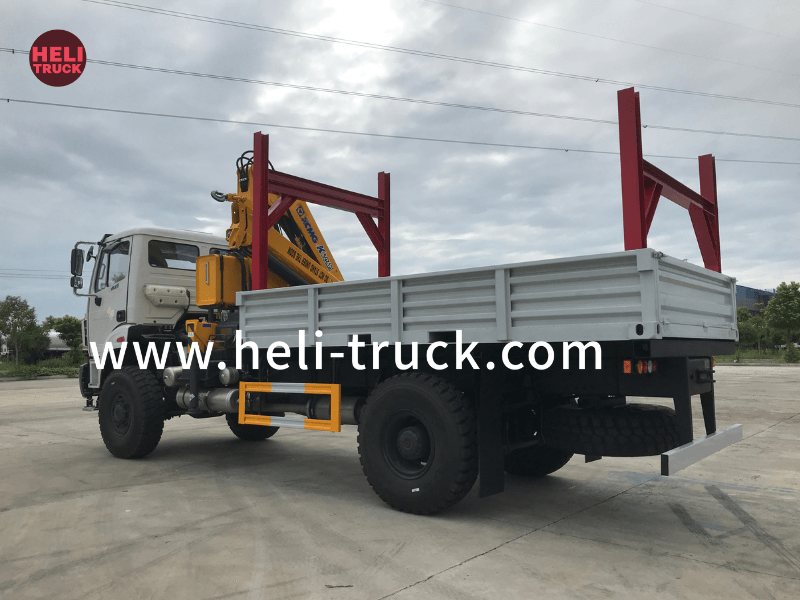
work truck of Traditional Garbage Compactor Trucks
While garbage compactor trucks play a crucial role in waste management, they also pose environmental challenges due to the emissions generated by their diesel engines. The combustion of diesel fuel releases pollutants such as nitrogen oxides (NOx), particulate matter (PM), and carbon dioxide (CO2) into the atmosphere, contributing to air pollution and climate change. In urban areas with high population density, the concentration of these emissions can have adverse effects on public health and the environment.
The Need for Low Emissions Garbage Compactor Trucks
Recognizing the environmental impact of traditional garbage compactor trucks, there is a growing demand for vehicles with low emissions to minimize their carbon footprint. Low emissions garbage compactor trucks are designed to reduce the release of harmful pollutants into the atmosphere while maintaining the efficiency and functionality of waste collection operations. These vehicles incorporate innovative technologies and alternative fuel options to achieve cleaner and more sustainable waste management practices.
Technologies for Low Emissions Garbage Compactor Trucks
Several technologies are being...